
Glass Office
Partitions
& Office Walls
Our office system products offer the best in aesthetics, functionality and performance tested to meet the structural, acoustic and fire rating requirements for commercial installations.
Single‑Glazed Glass Office Partitions

With sleek, minimalist designs, our single glazed partition systems meet a broad range of acoustic and design requirements, catering across all budgets for commercial and home applications.
Double‑Glazed/Acoustic Glass Partition Walls

With a low-profile contemporary design, our double glazed partition systems deliver clean aesthetics and unrivalled acoustic ratings, ideal for modern offices and high traffic workspaces.
Glass Partition Doors & Sliding Systems

We offer a wide range of doors to suit both single and double glazed systems. We have listed the most popular designs for internal use but can also provide a wide range of external doors and shutters for commercial use.
Glass Floors

Maximise light and space, inside and outside, with spectacular walk-on glass floors for terraces, galleries and stair landings, adding daylight, drama and a striking architectural feature.
Specialist / Designer

As a leading supplier of Architectural Glass solutions we strive to provide not only the standard designs you see each day but also the more specialist and intricate designs that can set you apart from the rest, adding a wow factor or by simply adding colour to attract ones attention.
Frosted/Privacy Glass & Manifestation

At Urban Square we design, supply and install frosted and privacy glass with professional manifestation to satisfy UK safety and accessibility guidance. Choose etched, sandblasted or high-quality film finishes with logos or patterns to add privacy. Ideal for offices, meeting rooms and reception areas.
UK Fire-Rated & Acoustic Glass Office Partitions

Fire rated glass partitions that meet 2 classifications, Integrity - E and Insulation - EI as detailed in the European standard EN357. These requirements are usually listed in minutes, i.e., 60/30 means 60 minutes Integrity and 30 minutes Insulation.
Get in touch today for a quote
We are happy to quote for any screen design, from the very simple to the very complex. Please contact us for a no obligation quote and survey if required and allow us to assist you in the implementation of your social distancing measures within the workplace.

Comprehensive Glass Partition & Wall Solutions
At Urban Square, we understand that effective office systems are essential for creating productive and efficient work environments. Our comprehensive range of office systems is designed to enhance functionality, improve workflow, and support modern workplace needs. In this section, we will explore our offerings and the benefits they provide to your office space.

The Importance of Effective Office Systems
An efficient office system integrates various components—such as furniture, technology, and layouts—to create a cohesive workspace that promotes productivity and collaboration. By investing in well-designed office systems, you can optimise your work environment, enhance employee satisfaction, and ensure seamless operations.
Technology Integration
In today’s digital age, effective office systems must accommodate technology seamlessly. Our solutions are designed to integrate with various tech tools and systems, ensuring that your office is equipped for modern workflows. From cable management solutions to tech-friendly furniture, we help you create a workspace that supports innovation and efficiency.
Aesthetic Appeal and Functionality
Our office systems are designed with both aesthetics and functionality in mind. We believe that a visually appealing workspace can significantly impact employee morale and creativity. Our team works closely with you to create a cohesive design that aligns with your brand identity while ensuring that all systems are practical and user-friendly.
Customisation Options
We understand that every office is unique, which is why we offer extensive customisation options for our office systems. You can choose from various styles, materials, and configurations to create a solution that perfectly fits your space and meets your specific requirements.
Comprehensive Product Range
We offer a wide variety of office systems tailored to meet the unique needs of your workspace, including:
-
Modular Workstations: Our modular workstations provide flexible solutions that can be easily reconfigured to accommodate changing team dynamics. These systems promote collaboration while ensuring each employee has the necessary space to work efficiently.
-
Collaborative Spaces: We specialise in creating collaborative areas that encourage teamwork and communication. Our designs incorporate shared workspaces, meeting rooms, and informal gathering spots to foster interaction among employees.
Timely Installation and Support
At Urban Square, we are committed to providing timely installation and ongoing support for our office systems. Our experienced team ensures that your systems are set up efficiently, minimising disruptions to your operations. We also offer maintenance and support services to ensure that your office systems continue to function optimally.
Focus on Quality
Urban Square offers comprehensive office systems solutions designed to enhance functionality, aesthetics, and employee satisfaction. With a focus on quality, customisation, and customer service, our products cater to the unique needs of every project. Whether you are an architect, designer, or business owner, explore our range of office systems today to discover how we can help create an efficient and inspiring workspace.
Resources
Take a look and view our range of product literature, client case studies and feature products.


A Comprehensive Guide to Glass Partitions
Glass partitions have become a popular choice for modern office design, offering a sleek and versatile way to divide space without sacrificing natural light. This comprehensive guide explores the various types, benefits, and installation considerations to help you make an informed decision.
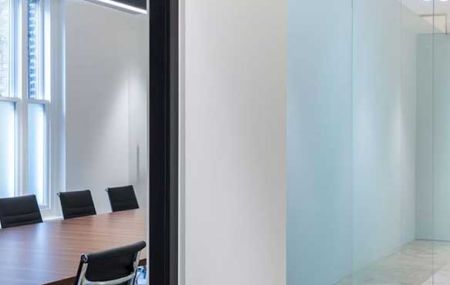
Why Glass Partitions and Glass Walls Are Ideal for Offices
Glass partitions are transforming the way modern offices are designed, offering a sleek, flexible alternative to traditional walls.
Let the Light In
In today’s workplace, design and functionality go hand-in-hand. Businesses are no longer restricted to solid walls and boxed-in spaces. With the evolution of office architecture, glass partitions and glass walls have emerged as essential features in modern office layouts. These versatile solutions combine practicality, style, and flexibility — perfectly suited for contemporary work environments.
One of the biggest advantages of using glass walls and glass office partitions is the way they maximise natural light. Traditional partition walls often block light, making interiors feel darker and more confined. Glass wall panels and internal glass partitions create bright, open spaces while still defining separate areas.
Not only does this reduce the need for artificial lighting, but it also boosts employee wellbeing and productivity. In fact, natural light is one of the most requested features in modern office design.
Open Feel, Private Spaces
While glass walls create openness, they can still maintain privacy. Frosted glass partitions in offices are a popular solution, allowing light to pass through while obscuring visibility.
Options like glass partition with door, frameless glass partitions and doors, and glass panel partitions mean teams can enjoy focused workspaces without complete isolation.
For even more discretion, acoustic glass office partitions can be installed. These help reduce noise transmission between rooms, ideal for meeting areas or confidential departments. Whether you're designing a boardroom or a breakout space, the acoustic value of glass should not be overlooked.
Flexible Layouts That Grow With Your Business
Modern offices need to be agile. Whether you’re expanding, rebranding, or shifting teams, glass partition walls offer a scalable, relocatable solution. Many systems are modular, meaning you can reconfigure your space with minimal disruption and without a major fit-out.
Glass room dividers, half glass office partitions, and partition wall ideas using sliding systems make it simple to create multifunctional spaces that adapt to changing needs. Glass partition sliding doors offer further flexibility, combining privacy with accessibility.
Sleek Aesthetics and Brand Identity
It’s no secret that first impressions count. Clients and visitors form opinions based on your workspace. Glass office partition systems create an immediate sense of professionalism, cleanliness, and forward-thinking design.
Options like aluminium glass office partitions, tinted glass, and customised manifestations allow your brand personality to shine through. Whether you're going for a minimalist aesthetic or something bold, glass offers a clean canvas.
Sustainable and Low-Maintenance
Glass is also highly sustainable. Many glass partitions UK suppliers use recycled materials and manufacture systems that can be demounted and reused. This makes them a great long-term investment. In terms of upkeep, glass partitions are easy to clean and maintain, making them a practical solution for busy workspaces.
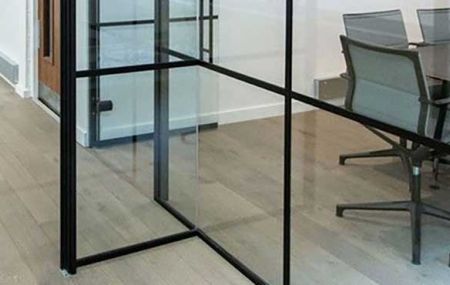
Office Partition Walls Explained: Glass Partition Types and Uses
From single glazed dividers to double glazed acoustic systems, there’s a wide variety of glass partition types to suit every office layout.
Single Glazed Glass Partitions
Single glazed glass partitions are among the most commonly used solutions in commercial interiors. They consist of a single pane of toughened safety glass, typically installed using discreet aluminium profiles or frameless fittings. These partitions are perfect for businesses wanting to maintain an open and airy environment, allowing uninterrupted visibility while still providing clear space demarcation.
They are particularly effective in open-plan offices where visual openness is key to collaboration and transparency. Additionally, they can be enhanced with frosted manifestations or branding to add privacy without compromising light flow. Single glazed partitions are also easy to install and cost-effective, making them a popular choice for startups and growing businesses.
Partition Wall Ideas to Suit Any Office
The variety of office partition wall options available today means businesses are no longer restricted to basic layouts. From half glass office partitions that combine solid and glazed elements, to bespoke curved glass designs and external glass partitions for entryways or covered courtyards, the possibilities are extensive.
You might opt for internal glass partitions with doors to section off team zones, or use glass panel partitions to form collaborative pods in coworking spaces. Acoustic variations are great for phone booths and quiet zones, while frameless panels are often favoured for informal lounge areas.
With so many choices available, it’s easy to design an office that supports focus, creativity, and culture — all while looking polished and professional. The variety of office partition wall options available today means businesses are no longer restricted to basic layouts. From half glass office partitions that combine solid and glazed elements, to bespoke curved glass designs and external glass partitions for entryways or covered courtyards, the possibilities are extensive.
Frameless Glass Partition Systems
Frameless glass partitions and doors are highly sought after for their sleek, seamless finish. They create an almost invisible division between spaces, contributing to a light and open feel.
The absence of frames enhances the modern aesthetic and can make a space appear larger and more cohesive. Frameless systems often include high-end fittings such as patch fittings, minimalist hinges, and discreet floor channels, creating a premium, architectural look.
Aluminium Glass Office Partitions
When a more structured appearance is required, aluminium framed glass partitions offer a balance of aesthetics and function. These systems provide added rigidity, are available in a range of finishes, and can support both single and double glazing.
Double Glazed Glass Wall Partitions
For offices where sound control is crucial, double glazed glass wall partitions are the next step up. These systems incorporate two panes of glass, often with an air gap or acoustic laminate between them, significantly improving sound insulation. Acoustic glass office partitions like these are ideal for HR departments, executive offices, and boardrooms where confidentiality and concentration are essential.
Double glazed systems can also include integrated blinds or switchable glass technology, offering an extra level of privacy when needed. This makes them suitable for dynamic office environments where meeting rooms may need to serve multiple purposes throughout the day. Though slightly more expensive, they offer superior performance in both acoustic and thermal insulation.
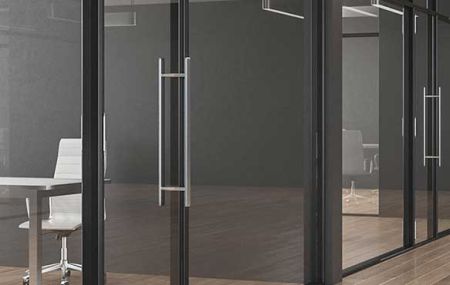
Custom Glass Partition Wall Designs for Any Interior
Glass partitions aren’t just functional - they’re a design feature in their own right.
Tailored to Your Interior Design Vision
Every workplace has its own style - whether that’s minimal, industrial, contemporary, or traditional. Glass partitions for offices are highly adaptable and can be tailored to suit any aesthetic. From frameless designs with a near-invisible presence to bold aluminium-framed solutions that add structure and contrast, the flexibility is endless.
You can choose from different glass finishes, such as clear, low iron, tinted, or patterned, to suit the ambience of the space. Frosted or etched designs can provide subtle visual interest or a sense of privacy without compromising light transmission.
Whether you want to create a bold, branded feature or a neutral, refined backdrop, custom glass designs offer a wide range of possibilities.
Manifestations and Branding
One of the most powerful ways to personalise a glass wall is through manifestations - decorative or practical graphics applied to the surface of the glass. These can range from simple frosted bands (for health and safety compliance) to elaborate branded designs that reflect your corporate identity.
Full-coverage digital prints, logos, abstract patterns, and custom colours can all be integrated into the manifestation. This allows companies to transform partitions into visual communication tools, reinforcing their values and identity through workspace design.
Framed or Frameless: Finding the Right Look
Frameless glass partitions are sleek, minimal, and modern - perfect for design-led interiors where visual simplicity is key. On the other hand, framed or aluminium glass office partitions introduce a more robust and industrial character. The frames themselves are highly customisable, available in anodised aluminium, powder-coated colours, or even wood-effect finishes.
Framed systems can also include integrated skirting, top capping, or acoustic baffles to match specific performance requirements or aesthetic goals. These stylistic choices ensure that the partitioning system feels like a coherent part of the overall office design, rather than an afterthought.
Doors to Match Your Partitioning System
No partition is complete without the right door system. Choosing a matching glass partition with door ensures a seamless finish and uninterrupted visual lines. Options include hinged doors, pivot doors, or glass partition sliding doors for space-saving flexibility.
Customisation extends to hardware as well. Door handles, locks, soft-close mechanisms, and electronic access control systems can all be tailored to meet your operational and design needs.
Integrating Blinds, Switchable Glass, and Tech
Custom office partitions with glass can also incorporate integrated blinds, either manually operated or motorised. These are particularly popular in boardrooms where instant privacy is sometimes needed. Alternatively, switchable privacy glass is a high-tech option that can instantly turn transparent panels opaque at the flick of a switch.
Partitions can also be integrated with smart technologies - from sound masking systems and ambient lighting to touch controls and privacy automation. This kind of integration supports hybrid and flexible working environments where space needs change throughout the day.
Endless Partition Wall Ideas
With so many options available, it’s easy to bring your own vision to life. From curved glass walls and half glass office partitions to full-height glass room dividers that stretch floor to ceiling, there are solutions for every type of workplace.
Partitions can define areas without creating permanent divisions, promoting agility and collaboration. Whether you're designing a tech-driven co-working space or a classic law office, the right glass partition wall office design will reflect your values while enhancing the user experience.
By investing in custom glass partition systems, you’re not just dividing space - you’re shaping the way people interact with and experience the workplace every day. From curved glass walls and half glass office partitions to full-height glass room dividers that stretch floor to ceiling, there are solutions for every type of workplace.
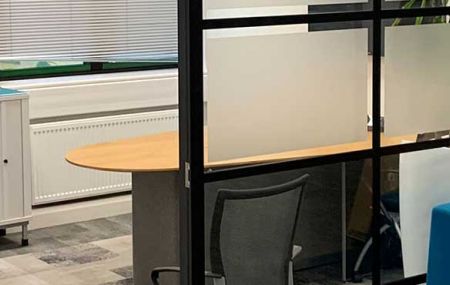
Planning Office Partitions: Design Support and Layout Ideas
Successful glass partition installation begins with proper planning and layout design.
Professional Space Planning Makes the Difference
When investing in glass partitions for office use, it’s important to work with specialists who understand both design and compliance. Proper space planning ensures that the partitioning system enhances your workflow, adheres to building regulations, and integrates with existing architecture.
Initial consultations typically include a site survey, where dimensions, lighting conditions, existing fixtures, and services like HVAC or fire alarms are assessed. During this phase, it’s also vital to consider future adaptability — whether partitions may need to be moved or updated in years to come.
Many businesses now prioritise demountable glass partition systems to allow for future reconfiguration without waste.
The flexibility of glass wall panels means they can be used to create almost any layout. Some common partition wall ideas include:
- Private offices: Full-height internal glass partitions create designated offices for managers or senior staff while maintaining visibility.
- Meeting rooms: Acoustic glass partitions help reduce sound without sacrificing transparency.
- Collaboration zones: Half glass office partitions or low dividers encourage openness and teamwork.
- Breakout areas: Curved glass room dividers soften harsh corners and introduce modern design flair.
- Reception and waiting areas: Frameless glass helps maintain a sense of openness at the entrance.
You can also combine different styles — such as aluminium framed and frameless partitions — to create contrast or suit various purposes across departments.
With expert planning, office partitions with glass can create a space that is functional, safe, flexible, and inspiring — a true asset to any modern business environment.
Compliance and Building Regulation Considerations
When planning a glass partition installation, it’s vital to ensure that your design meets UK building and safety regulations. This includes:
- Fire safety: Use of fire-rated glass where required by law
- Accessibility: Ensuring door widths and access points comply with Part M of Building Regulations
- Sound insulation: Meeting acoustic performance targets for privacy
- Glazing safety: Application of manifestations to prevent accidents
Open Plan vs Zoned Layouts
Modern offices often favour open plan spaces for collaboration and flexibility. However, this approach isn’t always ideal for tasks that require focus or confidentiality. A well-balanced layout includes a mix of open spaces and quieter zones — and glass partitions make this easy to achieve without building permanent walls.
Zoned layouts created with glass partition wall office systems allow for better control of acoustics, temperature, and lighting. You can use acoustic glass for quiet areas or frosted glass panels to maintain discretion while still letting in daylight.
Integrating with Furniture and Tech
Glass partition walls are most effective when they’re integrated with your existing furniture, technology, and services. Cable management, smart glass, and built-in screens can all be incorporated during the planning stage. Coordination with M&E (mechanical and electrical) services is essential to ensure seamless alignment.
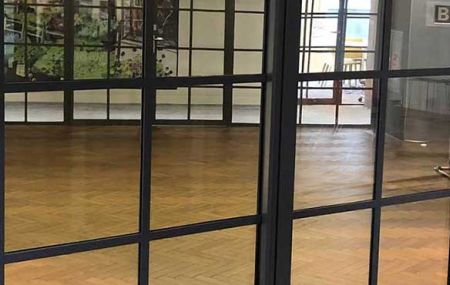
How We Install Glass Wall Partitions and Office Dividers
Installing glass partitions is a meticulous process that requires expert handling from start to finish.
Step 1: Consultation and Survey
Every glass partition office design project begins with a consultation. This is your chance to share your goals, priorities, and challenges. A site survey follows, during which accurate measurements are taken, and existing features like lighting, flooring, power points, HVAC systems, and fire detection equipment are assessed.
This stage is critical for identifying any limitations and opportunities within your space. For instance, sloped ceilings, uneven floors, or obstructions like columns can influence the type of partition selected. The survey ensures that all details are captured to design a solution that works in harmony with your workspace.
Step 2: Design and Layout Approval
Following the site visit, a detailed design is drawn up. This includes floor plans, elevation drawings, door positions, and technical specifications. You’ll have the opportunity to review glass finishes, frame colours, manifestation styles, and door types.
At this stage, we may also coordinate with your interior designer or architect to ensure cohesion with the overall scheme. Any required regulatory compliance — such as fire ratings or acoustic specifications — is also factored in and documented for approval.
Step 3: Manufacturing and Pre-Assembly
Once approved, your system is manufactured to order. We partner with trusted suppliers of glass partitions UK-wide to deliver quality materials that meet all relevant standards. The glass is cut and toughened (or laminated), and aluminium frames are produced in your selected finish.
If you’ve opted for customised features such as frosted decals, switchable glass, or integrated blinds, these are prepared at this stage. The use of pre-assembled elements can reduce on-site fitting time and ensure precision.
Step 4: Glass Partition Installation
Installation is carried out by skilled technicians who are experienced in fitting everything from internal glass partitions to frameless glass partition wall office systems.
The process involves fixing head and floor channels, aligning glass panels, installing door systems, applying seals, and completing finishing details.
Depending on the size and complexity of the project, installation can take anywhere from a single day to several days.
We aim to minimise disruption to your team by working outside of core business hours where necessary. Safety signage, protective coverings, and dust minimisation measures are used throughout.
Care is taken to ensure acoustic seals are correctly applied, door mechanisms function smoothly, and all elements are flush and level.
Attention to these details ensures not only visual appeal but long-term functionality.
Step 5: Handover and Aftercare
Once installed, the system undergoes final quality checks. We walk you through the completed glass partition installation, testing each element for performance. You’ll also receive documentation on glass specifications, warranties, and any regulatory certificates.
Our commitment doesn't end there. We offer an aftercare service that includes adjustments, hardware maintenance, and future reconfiguration support. If your needs change — whether it's moving a glass partition wall or adding a new door — we can help you adapt quickly and cost-effectively.
A professionally installed glass partition system not only enhances your space but adds value, performance, and flexibility to your entire workplace.
With expert planning, precision fitting, and thoughtful support, your office partitions will deliver results for years to come.
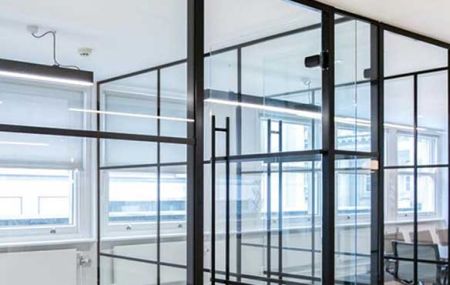
Fire Safety and Acoustic Performance of Glass Partition Walls
Performance matters when it comes to office partitions, especially in busy or safety-critical environments.
Fire-Rated Glass Partition Walls
Glass is often perceived as fragile in a fire, but fire-rated glass is engineered to withstand high temperatures for defined periods, typically 30 to 60 minutes depending on the specification. These systems are designed to prevent the spread of fire and smoke, helping to protect people and property. Fire-rated glass partitions can play a critical role in ensuring safe escape routes and meeting compartmentation requirements in office buildings.
Fire performance is classified in terms of integrity (E) and insulation (EI). Integrity refers to the glass remaining intact and resisting flames, while insulation measures its ability to reduce the transfer of heat. Popular options include EI30 and EI60 rated systems, which offer 30 and 60 minutes of protection respectively.
These systems are often required in corridors, around stairwells, between departments, or near exits. They can be installed using specialised steel or aluminium framing systems with intumescent seals, which expand when exposed to high temperatures. Despite their enhanced safety features, modern fire-rated glass wall panels are still available in frameless or minimal-frame designs, allowing architects to preserve the open and transparent feel of a space.
Combining Performance and Aesthetics
The beauty of modern glass office partition systems is that they can be both high-performance and visually striking. Fire-rated and acoustic options can still be frameless or incorporate decorative finishes and branding. There’s no need to compromise style for safety or performance.
Designers often combine frosted or patterned manifestations with fire-rated or acoustic glass to create attractive yet functional features. Acoustic partitions can also be designed with built-in blinds or switchable glass to increase flexibility, particularly in meeting or presentation spaces.
Acoustic Glass Office Partitions for Better Productivity
In an open-plan office, managing noise levels is essential to ensure productivity and focus. Acoustic glass office partitions provide sound insulation by reducing the amount of airborne sound that passes between areas. These systems are commonly used for meeting rooms, HR offices, phone booths, and executive suites.
Acoustic performance is measured using the Weighted Sound Reduction Index (Rw), with higher numbers indicating better sound control. Standard single glazed systems typically offer 30-35 dB, while double glazed systems can achieve 40-50 dB. The use of acoustic laminated glass and sealed aluminium profiles enhances these figures further.
To maintain their acoustic integrity, partitions must be installed with correctly applied seals and precision engineering. Doors should also be acoustically rated and equipped with drop seals to reduce sound leakage. These enhancements contribute to a quieter, more focused work environment, especially in busy or client-facing settings.
Meeting UK Building Standards
All fire-rated and acoustic glass wall panels must comply with UK building regulations. Fire safety falls under Approved Document B, while acoustic performance aligns with Approved Document E. Additionally, all glass in critical locations must meet British Standards for impact resistance.
We ensure all specifications meet the latest standards and provide full certification on completion. Our team can advise on the right type of partition system for each area of your office and ensure the necessary documentation is in place for building control approval.
Whether you're working on a refurbishment, fit-out or new build, integrating fire-safe and acoustically sound glass partitions ensures your workspace is not only beautiful and light-filled but also safe, compliant, and fit for purpose.
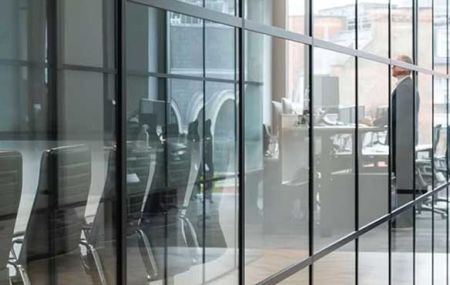
Understanding Glass Partition Pricing: What Affects the Cost?
Glass partitions for offices come in a wide range of price points, influenced by factors like materials, design, and installation.
What Is the Cost of Glass Office Partitions?
There’s no one-size-fits-all figure, as glass partition office cost depends on your specific needs. The type of glass, framing system, size of installation, and customisation all influence the final price.
Basic systems start from around £200 per linear metre for standard aluminium framed single glazed options, but can rise to over £600 per metre for premium double glazed, acoustic, or fire-rated partitions with advanced finishes.
Other elements like access restrictions, structural modifications, and bespoke details also factor into the total cost. Understanding these elements helps prevent surprise expenses and allows for smarter budget allocation.
Key Price Factors
Several components contribute to the overall cost of your glass partition system:
- Glazing Type:
Single glazed partitions are more affordable than double glazed or laminated acoustic systems. - Framing System:
Frameless partitions are more precise and often require skilled installation, increasing labour costs. - Partition Size:
Taller glass walls, floor-to-ceiling panels, and curved sections increase material and fabrication expenses. - Doors and Hardware:
Adding pivoting, sliding, or double doors raises the cost, especially if acoustic or fire-rated performance is needed. - Custom Features:
Integrated blinds, etched or branded manifestations, and switchable privacy glass add both cost and impact. - Performance Requirements:
Acoustic and fire-rated systems use more advanced materials and require certified installation methods.
The cost of glass office partitions can also vary depending on regional labour rates, material availability, and project timelines.
Installation Complexity
Not all projects are equal — installation conditions play a major role in final pricing. If the site has easy ground-floor access and straightforward ceiling and floor conditions, installation is usually quicker and cheaper. However, working in heritage buildings, narrow stairwells, high-rise locations, or occupied office spaces often increases labour time and complexity.
Coordination with other trades — such as electricians, HVAC installers, and fire protection contractors — may also affect scheduling and costs.
Are There Budget Options?
Yes. Office partitions with glass can be cost-effective without compromising quality. For example:
- Use standard height modules to avoid bespoke glass fabrication
- Choose aluminium framed partitions over frameless glass wall systems
- Limit customisation (e.g., stick to simple frosting instead of full-colour graphics)
- Combine solid partitions with glass panels to create a hybrid solution
These strategies make it possible to achieve a professional, attractive result at a lower cost per metre.
Long-Term Value
High-quality glass office partition systems provide value beyond their initial investment. They are durable, low-maintenance, and suitable for relocation or reconfiguration. In growing or agile workplaces, this flexibility adds major lifecycle value.
In addition, features like increased natural light, improved acoustics, and enhanced aesthetics contribute to staff wellbeing and productivity. This can result in indirect financial benefits such as improved employee retention and reduced operational costs. Whether you’re investing in a single glass partition wall or a full office fit-out, a well-specified system can pay dividends in performance, sustainability, and brand image.
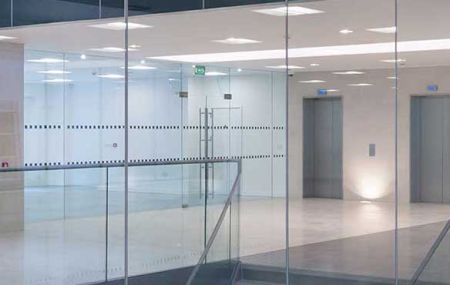
Glass Room Dividers and Partition Walls for All Sectors
Glass partitions aren’t limited to corporate offices - they’re used in healthcare, education, hospitality, and more.
Offices and Corporate Workspaces
Glass partitions for offices help structure open-plan spaces without losing natural light. Meeting rooms, executive offices, and team zones benefit from solutions such as frameless glass wall panels, acoustic glass partitions, and switchable privacy panels. Half glass office partitions are also useful for informal divisions and can create a balance between openness and separation.
Offices are increasingly moving towards hybrid layouts that combine focused areas, collaborative zones, and communal lounges — all of which can be enhanced with the smart placement of glass room dividers. For example, a single glazed system with integrated sliding doors can be used to segment a meeting pod without compromising the flow of light or visual continuity.
Healthcare and Clinical Environments
In medical, dental, or wellness settings, hygiene, clarity, and visibility are essential. Glass wall partitions create enclosed spaces that are easy to sanitise and allow visual monitoring — an important factor in environments where safety and transparency are paramount.
Frosted glass panels are commonly used in consultation rooms to protect patient privacy without isolating professionals. Acoustic performance is often required for confidentiality, particularly in private clinics and mental health services. Additionally, aluminium-framed partitions are preferred for their durability and compatibility with regular deep cleaning routines.
Education and Training Facilities
Schools, colleges, and universities increasingly adopt glass partitioning to create adaptable and safe learning spaces. Glass room dividers help zone off classrooms, meeting areas, or project spaces within open-plan environments, improving visibility for supervision and allowing natural light to flow throughout.
Writable glass surfaces are also becoming popular in educational design, doubling as whiteboards for teaching and collaboration. The use of coloured glass panels can further stimulate creativity and improve the learning environment. Frameless acoustic glass systems are also used in libraries and study zones where silence is critical.
Hospitality, Retail, and Showrooms
Hotels, restaurants, shops, and exhibition spaces benefit from the stylish transparency of interior glass partitions. These dividers guide customer flow while maintaining a sense of openness and sophistication. Frameless glass room dividers are commonly used to separate lounges, dining areas, and function rooms without obstructing sightlines.
In retail, glass wall partitions showcase products from multiple vantage points while preventing overcrowding. Switchable glass is often used in changing rooms or VIP sections, offering privacy on demand. In showrooms, aluminium-framed or curved glass partitions are employed to create distinctive product zones.
Public Sector and Local Authorities
In civic centres, libraries, museums, and council offices, glass partitions UK systems are used to deliver open yet secure layouts. These spaces often require a balance between welcoming public interaction and separating back-office functions.
Reception desks may feature low-level glass dividers to support face-to-face communication while maintaining security. Meeting rooms and private consultation areas are typically fitted with acoustic glass office partitions to ensure discretion. Because many public buildings are listed or have unique architecture, demountable or custom-fit glass solutions are frequently employed.
Industrial and Co-Working Spaces
Even in industrial buildings and shared office environments, glass room dividers are an asset. In warehouses or converted lofts, they introduce a clean, modern contrast to exposed brick and steel. In co-working hubs, they’re used to define spaces for freelancers, small teams, and breakout zones — without diminishing the open and collaborative ethos that these environments promote.
Whether the setting is formal or creative, client-facing or behind the scenes, glass partition wall systems can be tailored to support different industries and their specific operational needs. With design flexibility, performance customisation, and visual appeal, glass room dividers have truly become a universal architectural solution.
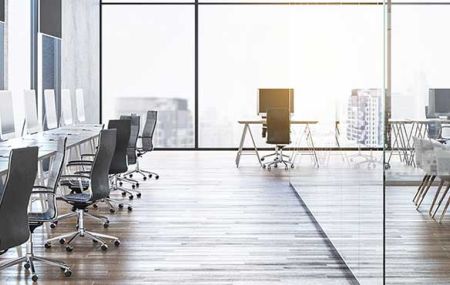
Maintaining Your Glass Wall Panels and Office Partition Walls
Once installed, glass partitions are easy to maintain with the right care routine. Regular cleaning and occasional hardware checks can keep them looking and performing their best.
General Cleaning and Daily Care
Clean glass wall panels with a non-abrasive cleaner and soft cloth. Avoid ammonia-based products on frosted glass or graphics, as these can damage the finish or cause fading over time. It's best to use a neutral pH cleaner or specialist glass spray along with a lint-free cloth to avoid streaks and residue.
Fingerprints, dust, and smudges tend to accumulate in high-contact areas such as doors and glass room dividers near workstations. Cleaning these areas regularly maintains the clarity and appearance of the glass. Cleaning frequency should be increased in customer-facing or shared environments.
Aluminium frames and door hardware can be wiped with damp cloths and mild detergent. Ensure that any cloths used on anodised or powder-coated surfaces are non-abrasive to preserve the finish. For stubborn marks, warm soapy water is usually sufficient, and harsh chemicals should be avoided.
Maintenance of Moving Parts
Glass partitions that incorporate doors — particularly glass partition sliding doors or pivot doors — include mechanical elements that require routine maintenance. Inspect hinges, locks, closers, and sliding tracks regularly to ensure they are functioning correctly.
Check for alignment and smooth operation. Any sticking or grinding sounds could indicate dirt or debris in the tracks or worn hardware. Clean tracks using a vacuum or compressed air and apply lubricant as recommended by the manufacturer to extend the life of the system.
Door seals, drop-down acoustic barriers, and latches should also be checked for wear and replaced as needed to maintain acoustic and thermal performance.
Routine Inspections
In addition to cleaning and hardware care, schedule professional inspections every 6–12 months, especially in high-use areas. These inspections should look for:
- Chips or cracks in the glass
- Scratches, clouding or discolouration
- Sealant or joint failure
- Peeling or faded manifestations
- Loose fittings or signs of corrosion
Addressing issues early prevents them from developing into safety concerns or causing disruption to daily operations. If your glass partition wall includes specialist features such as fire-rated or acoustic glass, routine testing and certification updates may also be required.
Aftercare Support
We offer maintenance support for all installed systems including part replacements, re-sealing, and performance checks. Our team can also help with layout reconfigurations using your existing glass partitions.
If your office layout changes or you expand into new areas, many glass office partition systems are modular and demountable, allowing us to move or repurpose existing materials. This reduces waste, saves on new installation costs, and extends the lifecycle of your investment.
By committing to regular maintenance and smart updates, your glass wall panels and office partition wall systems will remain efficient, safe, and visually striking for years to come.
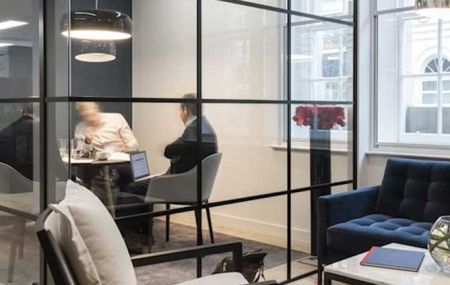
Sustainable Office Partitions — Eco-Friendly Glass Wall Solutions
Sustainability is now at the forefront of modern office design.
Recyclable and Reusable Materials
One of the strongest environmental benefits of glass office partitions lies in the materials themselves. Glass and aluminium — the two primary components — are both 100% recyclable. Aluminium, in particular, can be recycled repeatedly without any loss in quality, and recycled glass can be repurposed into new products with significantly lower energy consumption compared to producing virgin materials.
Moreover, many modern glass partition systems are modular in design. This allows businesses to disassemble and reuse partition panels when reconfiguring office layouts or relocating premises. Rather than tearing down and discarding traditional drywall, glass partitioning offers a sustainable alternative that reduces waste and conserves resources. Reusability also aligns closely with circular economy principles, helping businesses extend the lifecycle of their office interiors.
Supporting Green Building Certifications
Incorporating glass partition systems can help companies achieve recognised green building standards. Certifications such as BREEAM, LEED, and SKA Rating all consider the environmental performance of interior systems and materials. Glass partitions can contribute credits under categories like materials efficiency, indoor environmental quality, and daylighting.
For businesses looking to secure these certifications — whether for new office builds or refurbishments — glass walls offer a practical and aesthetically consistent way to boost sustainability credentials. They are particularly advantageous for landlords and developers who aim to future-proof properties and meet growing tenant demand for environmentally responsible spaces.
High-performance Glazing
The use of high-performance glazing can further enhance energy efficiency. Options like low-emissivity (Low-E) glass help reduce heat loss in winter and heat gain in summer, contributing to a more stable indoor climate and reducing the burden on HVAC systems. This not only supports lower operational costs but also helps companies meet sustainability goals related to energy use and carbon emissions.
Low Maintenance and Longevity
Durability is another key sustainability factor. Unlike plasterboard or timber partitions, glass walls are resistant to moisture, warping, and surface damage. They require very little ongoing maintenance — no painting, no filling of cracks, and no replacements due to wear and tear. Regular cleaning with simple, non-toxic agents is usually sufficient to keep glass partitions looking pristine for years.
This long lifespan means that fewer resources are used over time, reducing the overall environmental footprint of an office fit-out. Fewer materials, fewer replacements, and less waste — all contributing to a more responsible and sustainable workspace design.
Improved Energy Efficiency and Natural Light
Glass partitions are not only aesthetically pleasing but also support better energy performance within office buildings. By enabling natural daylight to flow deeper into interior spaces, glass walls reduce the reliance on artificial lighting. This has a dual benefit: lower electricity consumption and a more pleasant, productive working environment for employees.
Flexibility for Future Use
A truly sustainable office is one that can evolve. The adaptability of glass partition systems means that as a business grows or restructures, its workspace can change without the need for major construction. Demountable partitions can be relocated, expanded, or reconfigured to suit new layouts — without the waste typically associated with traditional renovations.
This flexibility not only saves money but also prevents unnecessary use of raw materials, making glass partitions a future-ready solution for dynamic businesses. Investing in glass office walls today means creating a workspace that can adapt to tomorrow’s needs, sustainably and efficiently.
This eco-focused approach to office partitioning highlights how businesses can make meaningful progress towards sustainability goals while still enjoying modern, high-performance work environments.
Comprehensive Glass Office Wall Solutions
Glass office walls offer a modern alternative to brick or plaster walls and are frequently chosen for their aesthetic and functional benefits. Commonly referred to as glass walls for office spaces or office walls with glass, these installations have become increasingly popular in contemporary work environments. Their transparency fosters a sense of openness while still maintaining physical boundaries between departments or teams.
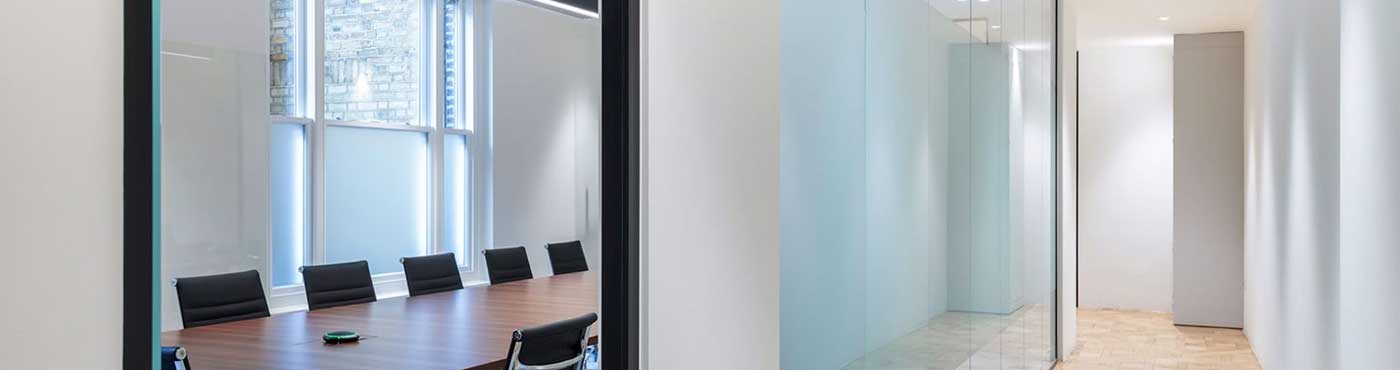
The Importance of Effective Office Systems
An efficient office system integrates various components—such as furniture, technology, layouts, and architectural elements like glass office walls—to create a cohesive workspace that promotes productivity and collaboration. By investing in well-designed office systems, including office walls with glass, you can optimise your work environment, enhance employee satisfaction, and ensure seamless operations.
Technology Integration
In today’s digital age, effective office systems must accommodate technology seamlessly. Our solutions are designed to integrate with various tech tools and systems, ensuring that your office is equipped for modern workflows.
From cable management solutions to tech-friendly furniture and smartly installed glass office partition walls, we help you create a workspace that supports innovation and efficiency.
Aesthetic Appeal and Functionality
Our office systems are designed with both aesthetics and functionality in mind. We believe that a visually appealing workspace, especially one incorporating glass walls in office environments, can significantly impact employee morale and creativity. Our team works closely with you to create a cohesive design that aligns with your brand identity while ensuring that all systems, including glass walls for office interiors, are practical and user-friendly.
Enhanced Privacy and Acoustic Control
While open-plan offices foster collaboration, they also demand smart solutions for privacy and sound management. Our office systems incorporate glass partition walls that provide visual transparency without compromising on acoustic performance. With the use of high-quality laminated or acoustic-treated glass, our office partition walls with glass effectively reduce noise while maintaining an open and modern look.
Versatile Glass Office Wall Systems
We supply a comprehensive selection of interior solutions to elevate your workspace, including:
-
Glass Office Walls: Our glass office walls are designed to enhance transparency and create a contemporary feel. These installations improve natural light flow and maintain a sense of openness without compromising on privacy.
-
Glass Walls for Office Collaboration: Ideal for meeting rooms and breakout areas, our glass walls for office settings encourage communication while offering acoustic insulation. They're perfect for fostering a connected and productive team environment.
-
Glass Walls in Office Layouts: Whether you're designing a new office or upgrading an existing one, our glass walls in office layouts offer a sleek and functional partitioning solution. They help define spaces without creating visual barriers.
-
Office Walls with Glass Features: We provide office walls with glass enhancements that combine aesthetic appeal with practicality. These systems support an organised layout while maintaining a bright and modern workplace atmosphere.
Efficient Installation & Ongoing Assistance
At Urban Square, we pride ourselves on prompt installation and continuous support for our glass office wall systems. Our skilled installers work swiftly and carefully to integrate solutions like glass office walls and glass walls in office environments with minimal disruption. Post-installation, we provide dedicated maintenance and support to ensure your strong office walls with glass remain in excellent condition, delivering both form and function.
Focus on Quality
To summarise, Urban Square delivers complete workspace solutions with a strong emphasis on innovation, design, and satisfaction. From simple glass walls for office partitions to full-fit systems tailored to unique business needs, we offer products that enhance the performance and aesthetics of your space. Whether you're a business owner, architect, or interior designer, browse our office systems today and discover how our bespoke glass office walls can transform a working environment.
Glass Office Wall FAQ's
Glass office walls are a versatile and stylish solution for modern workspaces, offering both functional and aesthetic benefits. To help you understand everything you need to know about them, we’ve broken down the key topics into ten easy-to-navigate sections.
What Are Glass Office Walls?
Glass office walls are architectural features used to divide office space using glass panels instead of traditional solid materials.
Transparency and Light Transmission
One of the key attractions of glass walls in office design is their ability to create defined workspaces while maintaining visual openness. By allowing natural light to flow through an entire floor, they help reduce the need for artificial lighting and improve overall wellbeing. Glass office partition walls are particularly effective in open-plan offices where there's a desire to foster collaboration without sacrificing privacy.
Types and Safety Features
There are several configurations available, including single glazed, double glazed, and acoustic glass systems. Frosted glass office walls are often used to introduce privacy while still allowing light penetration. The use of tempered glass ensures durability and safety, meeting modern health and safety standards.
Doors and Modular Solutions
Glass office walls and doors are also commonly integrated to provide both visual consistency and practical functionality. Doors can be sliding, hinged, or even frameless, depending on the desired design and space considerations. In terms of structure, modular glass office walls and movable glass office walls are highly valued for their flexibility, especially in fast-growing businesses that need to adapt space quickly.
Flexibility and Regional Expertise
The choice between fixed and movable solutions can depend on a number of factors, including the lease agreements of the property and the nature of the work being conducted. Many organisations opt for demountable systems as they allow for future reconfiguration with minimal disruption. This adaptability is particularly useful in dynamic sectors such as tech and creative industries.
Pricing and Location Considerations
Companies based in the capital may seek suppliers specialising in glass office walls London to ensure compliance with local building regulations. The glass office walls price can vary depending on the system used, installation complexity, and the desired level of sound insulation. While the initial investment may be higher than traditional partitioning, the long-term benefits in terms of aesthetics, flexibility, and employee satisfaction can outweigh the upfront costs.
Conclusion
In summary, glass office walls are more than just a stylish choice—they represent a practical and future-proof investment for businesses. Whether you’re seeking better light distribution, space optimisation, or a sleek, contemporary look, office glass wall panels offer a highly adaptable solution that enhances the professional atmosphere of any workspace.
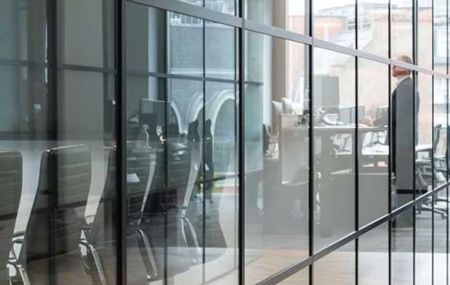
Advantages of Glass Walls in Office Design
The use of glass walls for office interiors has surged in popularity as businesses look for innovative ways to combine openness with functional zoning.
Enhanced Natural Light and Wellbeing
One of the primary benefits of using glass office partition walls is the increased flow of natural light. Unlike traditional solid partitions, glass allows sunlight to permeate through the workspace, reducing reliance on artificial lighting and contributing to energy efficiency. This improved light quality has been shown to boost employee mood, wellbeing, and productivity.
Privacy without Compromise
Glass walls in office interiors also foster a sense of openness without sacrificing privacy, thanks to options like frosted glass office walls or acoustic glazing. These solutions enable workers to focus on their tasks without feeling isolated, striking a perfect balance between visibility and discretion. For example, meeting rooms enclosed by frosted or tinted glass can remain private while still appearing visually connected to the rest of the office.
Acoustic Control in Open Spaces
Acoustic glass options help mitigate noise levels, making glass office walls suitable even in busy or collaborative environments. This is particularly valuable in hybrid working models where teams frequently shift between focused work and collaboration. Soundproofed office walls with glass allow these transitions to happen seamlessly.
Design Consistency and Flexibility
Furthermore, glass office walls and doors create a sense of continuity in design, especially when integrated into modular systems. This consistency reinforces brand identity and contributes to a unified look across the workplace. Modular and movable glass office walls provide additional flexibility, allowing businesses to adapt their layouts to meet evolving demands.
Client Impressions and Workplace Image
The professional perception of a workspace also improves with glass walls. Clients and visitors are often impressed by the clarity and openness of glass wall designs, which suggest transparency and innovation. For businesses in sectors like tech, finance, or design, glass walls help create a cutting-edge atmosphere that aligns with corporate values.
Cost vs. Long-Term Value
The glass office walls cost varies depending on the design complexity, installation needs, and material choices. While initial prices may be higher compared to plasterboard partitions, the long-term advantages—such as improved productivity, reduced energy costs, and enhanced aesthetics—offer a worthwhile return on investment. Knowing how much glass office walls cost in comparison to traditional options can help guide budget planning effectively.
Local Expertise and Tailored Options
In high-demand areas like the capital, businesses searching for glass office walls London providers benefit from a wide choice of experienced specialists. These suppliers understand the unique spatial and regulatory needs of urban office environments. Companies can tailor their partitions to align perfectly with both functional requirements and design preferences.
Conclusion
Ultimately, the advantages of glass walls for office space go far beyond aesthetics. They improve workflow, optimise space usage, and contribute to a healthier, more motivating work environment. Whether fixed or movable, acoustic or decorative, glass partitions deliver a comprehensive solution for the modern office.
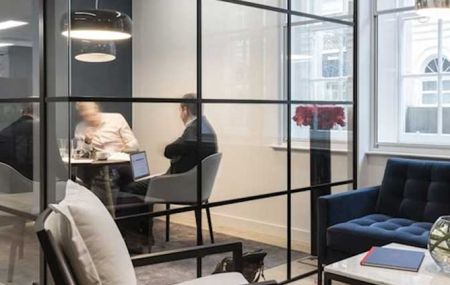
Types of Glass Office Partition Walls
There are numerous types of glass office partition walls available to suit a wide variety of workplace requirements.
Single Glazed Systems
Single glazed glass office walls are ideal for maximising visibility and light while maintaining a slim, elegant profile. They are often used in areas where noise control is less of a concern, such as open-plan spaces or informal meeting zones. Their simplicity and cost-effectiveness make them one of the most popular choices for glass walls for office interiors.
Double Glazed and Acoustic Solutions
Double glazed systems offer improved acoustic performance, making them ideal for private offices or boardrooms where confidentiality is crucial. These glass office partition walls can be customised with integrated blinds or switchable film for added privacy. In addition, the use of tempered glass ensures that all installations are safe, durable, and compliant with UK regulations.
Frosted and Decorative Finishes
For added style or discretion, frosted glass office walls are a popular choice. They maintain light transmission while providing visual privacy and can feature custom branding or patterns for a unique finish. Frosted and tinted options are particularly common in client-facing areas where maintaining a polished image is important.
Modular and Movable Systems
Businesses seeking agility in layout may prefer modular glass office walls or movable glass office walls. These systems can be easily installed, reconfigured, or relocated with minimal disruption, making them a smart investment for companies in growth phases. Modular systems often come in kit formats, which also simplifies the installation process and reduces costs.
Integrating Doors and Hardware
The integration of glass office walls and doors can further enhance usability. Door options range from simple frameless designs to framed sliding or hinged versions that offer added functionality without compromising aesthetics. Combined with office glass wall panels, they complete a cohesive partitioning system that is both practical and visually striking.
Customisation and Aesthetic Choices
Office glass wall panels can be produced in a variety of thicknesses, finishes, and sizes to match the architectural demands of any workspace. Whether you’re designing a traditional corporate layout or an ultra-modern co-working hub, there’s a solution available. These panels are often paired with aluminium profiles or minimalistic fixings to retain a clean and refined appearance.
Choosing Local Experts
In major cities, including the capital, many businesses look to glass office walls London suppliers for high-quality, customised systems. Local expertise ensures that the materials and installation processes meet both building regulations and stylistic preferences. Choosing a trusted local provider can also streamline delivery times and installation schedules.
Conclusion
Ultimately, the wide range of types available ensures that every business can find a solution to fit its needs. Whether you’re focused on acoustic performance, visual impact, or adaptability, the diverse options in glass office walls price and functionality provide a clear path to creating better office environments.
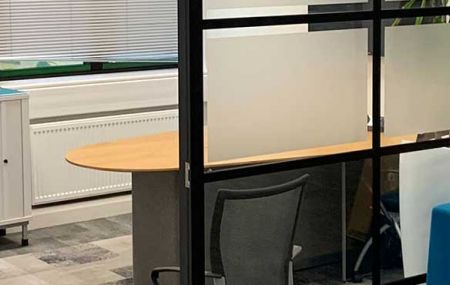
Designing with Office Walls with Glass
Creating an office layout that includes glass office walls requires thoughtful planning, as these structures can define the overall look and feel of the space.
Balancing Openness and Privacy
When designing with glass walls in office environments, the primary consideration is how space will be used. Open-plan areas may benefit from transparent partitions to maintain communication, while frosted glass office walls or tinted panels may be better suited to confidential zones. The configuration of doors—sliding, hinged, or frameless—also plays a significant role in both aesthetics and accessibility.
Panel Height and Partition Flexibility
Glass walls can be installed as floor-to-ceiling panels or half-height sections, depending on the intended level of privacy and acoustic control. Modular glass office walls offer versatility in layout and are especially beneficial in evolving workspaces where flexibility is essential. Movable glass office walls provide even greater adaptability, allowing spaces to be transformed quickly without structural changes.
Aesthetic Enhancements and Branding
The choice of finishes also influences design outcomes. Clear, low-iron glass creates a minimalistic and high-end look, while frosted or printed designs offer privacy and custom branding opportunities. Office glass wall panels can be customised with company logos or graphics to strengthen brand presence throughout the workplace.
Lighting and Visual Continuity
Lighting is another crucial consideration. Glass walls enable the penetration of natural light, which can be maximised by avoiding heavy frames or visual obstructions. Integrating LED lighting within frames or ceiling lines enhances the effect, creating a clean, luminous space conducive to productivity.
Harmonising with Interior Design
Designing office partition walls with glass also requires attention to colour schemes, surrounding materials, and office furniture.
Glass integrates well with wood, metal, and neutral-toned interiors, but can also work with bold colours for a striking contrast. Designers often use glass to create continuity across departments, using repeated forms or consistent finishes.
Consistency with Doors and Access Points
The integration of glass office walls and doors ensures consistent material use and helps unify spaces visually. These doors can be automated or manually operated, offering accessibility for various users. Whether flush or framed, door designs contribute significantly to the overall aesthetic appeal.
Budget and Supplier Collaboration
Glass office walls price should also be considered during the design stage, particularly if working to a strict budget.
A balance between style, functionality, and affordability is achievable with good planning and supplier consultation. Designers working in metropolitan regions might collaborate with specialists in glass office walls London to ensure optimal results.
Conclusion
Ultimately, incorporating glass walls for office space is about more than just modernising the look—it’s about transforming how people work within the space. With intelligent design, these transparent elements can enhance flow, increase collaboration, and convey a professional and forward-thinking company culture.
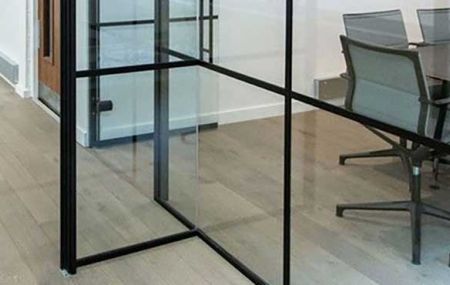
How Glass Office Partition Walls Are Installed
Installing glass office walls is a precision task that requires careful planning, experienced professionals, and the right materials.
Site Surveys and Material Selection
Before the physical installation begins, the planning and measurement phase is critical. During this stage, designers and installers evaluate the space, discuss layout preferences, and identify any structural or access challenges. Accurate site surveys ensure the glass walls for interiors are tailored to fit perfectly.
Framing and Structural Setup
The next step is choosing materials, including the type of glass, frame finishes, and door styles. Frosted glass office walls are ideal for privacy zones, while clear glass can enhance open-plan designs. Tempered glass is standard for safety and strength, offering impact resistance and compliance with health and safety regulations.
The framework—often made of aluminium or steel—is usually installed first, fixed securely to the floor and ceiling. Once the framework is in place, office glass wall panels are carefully inserted. Installers must take extra care when handling and aligning panels, ensuring no visible gaps and perfect symmetry throughout the system.
Door Integration and Final Adjustments
Glass office walls and doors are typically the final components added to complete the installation. Sliding or hinged doors are selected based on user needs and space availability. Flush floor tracks, minimal hardware, and soft-close mechanisms enhance functionality and aesthetics.
Efficiency and Flexibility with Modular Systems
One major advantage of modular glass office walls is the speed of installation. Because components are often pre-fabricated, on-site work is greatly reduced. This results in less disruption, quicker turnaround times, and often lower labour costs, especially compared to traditional construction methods.
Movable Wall Mechanisms
Movable glass office walls offer the additional benefit of being reconfigurable without full removal.
These systems use discreet track mechanisms that allow panels to be repositioned or folded away as needed. They're ideal for dynamic workspaces, event areas, or multipurpose meeting rooms.
Compliance and Safety Considerations
Safety is always a top priority during installation. Installers must follow UK regulations regarding structural integrity, load bearing, and fire resistance. This is particularly important in high-rise buildings or older structures where retrofitting might be required.
Budgeting for Installation
Businesses often ask how much do glass office walls cost to install, and the answer depends on factors such as size, complexity, and material quality.
While prices can vary, working with experienced installers can help manage costs and avoid delays.
Obtaining multiple quotes and partnering with glass office walls London professionals ensures transparency and accurate pricing.
Conclusion
In summary, installing office partition walls with glass is a seamless process when executed by skilled professionals. The end result is a clean, elegant partitioning system that enhances both the functionality and style of the office. With proper preparation and high-quality materials, glass walls offer a smart and sustainable solution for modern workspaces.
Acoustic Performance in Glass Office Walls
One common misconception about glass office walls is that they lack acoustic properties.
Double Glazing for Noise Reduction
Double glazed glass office partition walls are the most effective at reducing noise transmission. These systems incorporate two panes of tempered glass with an air or acoustic resin layer in between, significantly limiting sound travel.
Laminated Acoustic Glass Options
Acoustic laminated glass is another high-performance option. This type of glass is manufactured with an interlayer that absorbs sound vibrations, providing excellent noise reduction without increasing thickness. Frosted glass office walls can also be used with acoustic treatments to combine privacy and sound control.
Sealing and Installation Techniques
Proper installation is crucial for acoustic performance. Small gaps or poorly sealed joints can reduce the soundproofing qualities of office glass wall panels. Installers use acoustic seals, high-quality frame systems, and precision fittings to eliminate sound leakage and ensure optimal results.
Acoustic Flexibility with Movable Walls
Movable glass office walls can also be equipped with acoustic enhancements. These systems feature bottom seals and overlapping panel edges to maintain sound insulation even when the configuration changes.
Supplementary Acoustic Treatments
Designing for acoustics involves more than just the glass itself. Incorporating soft furnishings, acoustic panels, and carpeted flooring alongside office walls with glass can further improve the acoustic environment.
Zoning for Acoustic Efficiency
In environments where glass walls for office interiors are used extensively, acoustic zoning becomes important. This involves strategically placing high-performance partitions to separate noisy zones from quiet ones, such as placing a breakroom next to an acoustically treated meeting room.
This method ensures that activities do not interfere with one another.
Urban Noise Control
For businesses operating in busy urban centres like London, noise from outside sources is also a concern. Glass office walls London providers often offer specialised acoustic glass designed to reduce traffic and street noise, improving internal sound quality.
Choosing such options can be particularly beneficial in high-rise or street-level offices.
Value and Investment
When evaluating glass office walls cost, it’s important to factor in acoustic requirements. While high-performance acoustic systems may come at a premium, they provide long-term value through increased productivity, privacy, and satisfaction. Office glass partition walls cost more with acoustic enhancements, but the benefits often justify the investment.
Conclusion
Ultimately, glass walls in office settings can be both beautiful and functional. With the right design and materials, businesses can achieve excellent sound control, even in open or collaborative layouts. Acoustic glass office walls are a testament to how far modern partitioning systems have evolved—meeting aesthetic goals without compromising on performance.
Health, Safety and Building Regulations for Glass Office Walls
When installing glass office walls, it's essential to ensure compliance with relevant UK building regulations and health and safety standards.
Safety Glass Standards
Tempered glass is a legal requirement in most applications involving office glass wall panels due to its strength and shatter-resistant properties. This safety glass is designed to break into small, blunt fragments that minimise the risk of injury. Laminated glass is another common option, particularly in areas where additional protection from impact or noise is needed.
Fire Safety Considerations
Fire safety is a top consideration when installing glass walls for office spaces. Depending on the building’s size and layout, fire-rated glass may be required to contain flames and smoke for a set period. Office glass walls London installations often include fire-rated frames and intumescent seals to meet urban building codes.
Accessibility and Visibility
Part M of the UK Building Regulations governs access to and use of buildings, including considerations for those with disabilities. Glass office walls and doors must allow sufficient visibility and easy access for all users. This includes using contrasting manifestations or markings on glass surfaces to prevent accidental collisions.
Acoustic and Environmental Standards
Acoustic performance is also indirectly addressed in workplace guidelines, especially in sectors that require confidentiality. Glass office partition walls with acoustic enhancements should meet acceptable decibel ratings as set out in workplace health standards. This contributes to a more focused and comfortable environment.
Sustainability in Regulation
Another regulation to consider involves sustainability and energy efficiency. While not a safety concern, energy-rated glass contributes to reducing carbon footprints and may be a requirement in newly constructed buildings. Glass walls for office interiors that meet these criteria may also be eligible for environmental certifications.
Liability and Professional Standards
It's also important to consider legal liabilities associated with poorly installed or non-compliant glass systems. Any injury resulting from substandard installations could leave the business legally exposed. Working with experienced providers—especially those offering glass office walls London services—helps mitigate this risk.
Documentation and Certification
Proper documentation is required at all stages, from planning permissions to post-installation certification. This includes architectural drawings, product data sheets, installation records, and compliance certificates. Maintaining these documents ensures that the installation can be audited if necessary and may support future renovations or lease agreements.
Conclusion
Ultimately, safety should never be compromised when selecting or installing office walls with glass. By choosing high-quality materials and qualified installers, businesses can be confident that their partitions not only look exceptional but also meet the highest safety standards. Investing in compliant systems brings peace of mind and reinforces the professionalism of the workplace.
Glass Room Dividers and Partition Walls for All Sectors
Glass partitions aren’t limited to corporate offices - they’re used in healthcare, education, hospitality, and more.
Offices and Corporate Workspaces
Glass partitions for offices help structure open-plan spaces without losing natural light. Meeting rooms, executive offices, and team zones benefit from solutions such as frameless glass wall panels, acoustic glass partitions, and switchable privacy panels. Half glass office partitions are also useful for informal divisions and can create a balance between openness and separation.
Offices are increasingly moving towards hybrid layouts that combine focused areas, collaborative zones, and communal lounges — all of which can be enhanced with the smart placement of glass room dividers. For example, a single glazed system with integrated sliding doors can be used to segment a meeting pod without compromising the flow of light or visual continuity.
Healthcare and Clinical Environments
In medical, dental, or wellness settings, hygiene, clarity, and visibility are essential. Glass wall partitions create enclosed spaces that are easy to sanitise and allow visual monitoring — an important factor in environments where safety and transparency are paramount.
Frosted glass panels are commonly used in consultation rooms to protect patient privacy without isolating professionals. Acoustic performance is often required for confidentiality, particularly in private clinics and mental health services. Additionally, aluminium-framed partitions are preferred for their durability and compatibility with regular deep cleaning routines.
Education and Training Facilities
Schools, colleges, and universities increasingly adopt glass partitioning to create adaptable and safe learning spaces. Glass room dividers help zone off classrooms, meeting areas, or project spaces within open-plan environments, improving visibility for supervision and allowing natural light to flow throughout.
Writable glass surfaces are also becoming popular in educational design, doubling as whiteboards for teaching and collaboration. The use of coloured glass panels can further stimulate creativity and improve the learning environment. Frameless acoustic glass systems are also used in libraries and study zones where silence is critical.
Hospitality, Retail, and Showrooms
Hotels, restaurants, shops, and exhibition spaces benefit from the stylish transparency of interior glass partitions. These dividers guide customer flow while maintaining a sense of openness and sophistication. Frameless glass room dividers are commonly used to separate lounges, dining areas, and function rooms without obstructing sightlines.
In retail, glass wall partitions showcase products from multiple vantage points while preventing overcrowding. Switchable glass is often used in changing rooms or VIP sections, offering privacy on demand. In showrooms, aluminium-framed or curved glass partitions are employed to create distinctive product zones.
Public Sector and Local Authorities
In civic centres, libraries, museums, and council offices, glass partitions UK systems are used to deliver open yet secure layouts. These spaces often require a balance between welcoming public interaction and separating back-office functions.
Reception desks may feature low-level glass dividers to support face-to-face communication while maintaining security. Meeting rooms and private consultation areas are typically fitted with acoustic glass office partitions to ensure discretion. Because many public buildings are listed or have unique architecture, demountable or custom-fit glass solutions are frequently employed.
Industrial and Co-Working Spaces
Even in industrial buildings and shared office environments, glass room dividers are an asset. In warehouses or converted lofts, they introduce a clean, modern contrast to exposed brick and steel. In co-working hubs, they’re used to define spaces for freelancers, small teams, and breakout zones — without diminishing the open and collaborative ethos that these environments promote.
Whether the setting is formal or creative, client-facing or behind the scenes, glass partition wall systems can be tailored to support different industries and their specific operational needs. With design flexibility, performance customisation, and visual appeal, glass room dividers have truly become a universal architectural solution.
How Much Do Glass Office Walls Cost?
The cost of glass office walls can vary significantly depending on several key factors.
Price Ranges by Glass Type
Basic single glazed systems are generally the most affordable option. These types of glass walls for office use are perfect for open spaces that don’t require soundproofing and can start at around £300 per linear metre. However, more advanced systems such as double glazed or acoustic glass office partition walls can cost upwards of £600 per metre.
Additional Features and Enhancements
Frosted glass office walls tend to be slightly more expensive due to the custom finishing process involved. Costs also increase if the glass includes digital printing, switchable privacy film, or integrated blinds. These enhancements offer added functionality and visual appeal but must be factored into the overall budget.
Flexibility and Installation Type
Movable and modular glass office walls are ideal for companies needing flexible layouts, but their complexity and hardware can raise prices further. These systems typically cost more than fixed installations but offer long-term savings through reusability and reduced renovation expenses. Installation costs can also vary depending on the number of doors and the condition of the building.
Labour and Location Factors
Labour charges are another consideration. Installers in regions such as London may charge more due to higher demand and logistical challenges. Working with glass office walls London providers ensures accurate quotes tailored to local pricing and regulations.
Hidden and Associated Costs
When calculating glass office walls price, don't forget about associated costs such as door hardware, manifestation graphics, delivery, and aftercare services. Comprehensive quotes should include all elements to avoid unexpected fees later in the process. Office glass partition walls cost more when advanced specifications are required, but these often result in better performance and aesthetics.
Compliance and Certification Expenses
Another factor that affects pricing is compliance with UK regulations. Systems that meet fire safety, acoustic, and accessibility standards might come with a premium but deliver long-term compliance and peace of mind. Ask suppliers to confirm that all components meet current building standards.
Example Costs and ROI Consideration
For those asking how much do glass office walls cost in total, a typical small meeting room installation might range from £2,000 to £5,000. Larger spaces or high-end finishes could push this figure significantly higher. However, many businesses find that the visual and functional benefits justify the outlay.
Conclusion
In conclusion, the glass office walls cost depends on a variety of factors, but planning ahead and getting detailed quotes ensures transparency. Whether opting for basic panels or sophisticated acoustic systems, there’s a solution to suit every budget and office design requirement.
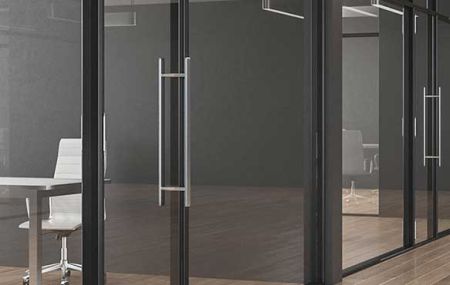
Sustainability and Environmental Impact of Glass Office Walls
Sustainability is increasingly influencing decisions around office design, and glass office walls offer notable environmental benefits.
Energy Efficiency Through Natural Light
One of the main advantages of glass walls in office interiors is their ability to enhance natural light penetration. By reducing the need for artificial lighting, energy consumption drops, which in turn lowers a building's carbon footprint. This energy efficiency is especially important for organisations pursuing BREEAM or LEED certification.
Recyclability and Sustainable Materials
Many glass office partition walls are manufactured from recyclable materials. Both tempered and laminated glass can be recycled at the end of their lifespan, aligning with sustainability goals.
Choosing suppliers who use recycled content or offer take-back schemes helps businesses close the loop on waste.
Support for Modular and Circular Design
Glass office walls also support the concept of modularity, which reduces construction waste and supports reuse. Movable glass office walls and modular systems allow businesses to reconfigure spaces as needed, without generating the waste associated with drywall demolition. This flexibility not only reduces environmental impact but also improves cost efficiency.
Thermal and Acoustic Efficiency
Acoustic and thermal efficiency also play a role in sustainability. Well-designed office partition walls with glass reduce the need for excessive heating or cooling by promoting consistent temperatures. Double glazing or acoustic laminates enhance insulation while maintaining the aesthetic advantages of transparency.
Longevity and Durability
The long lifespan of glass office walls is another sustainability factor. Unlike plaster or timber partitions that may degrade or become outdated, glass systems maintain their appearance and functionality over decades. This durability reduces the need for replacement and conserves resources in the long term.
Local Sourcing and Reduced Emissions
When sourcing materials, it's important to consider local suppliers. Working with glass office walls London providers, for example, reduces transportation emissions and supports the local economy. It also ensures compliance with UK building standards and sustainability benchmarks.
Healthy Building Materials
Water-based adhesives, solvent-free finishes, and low-VOC materials are increasingly used in the construction of office glass wall panels. These healthier material choices improve indoor air quality, which is another key consideration in sustainable workplace design. A healthier work environment translates into higher employee wellbeing and productivity.
Smart Technologies for Efficiency
he use of smart glass technologies can also boost sustainability. Switchable glass reduces the need for blinds or curtains and can optimise indoor climate control by reacting to light and temperature changes. Although more expensive initially, these innovations offer long-term energy savings and environmental benefits.
Eco-Friendly Cleaning Practices
Finally, maintenance practices contribute to the overall sustainability of glass office walls. Simple cleaning routines using eco-friendly products help maintain clarity without harming the environment. These practices complement a wider commitment to green operations.
Conclusion
In summary, glass walls for office interiors offer a sustainable and forward-thinking choice for modern businesses. Their ability to reduce energy use, support reuse, and enhance indoor environments positions them as a key component of environmentally responsible office design. As demand for green spaces continues to rise, glass office partition walls are proving their worth as both a stylish and sustainable investment.
Glass Wall Divider vs Full Partitions – When to Choose Each
A quick guide to when a glass wall divider is the smarter choice than full glass wall office partitions. Compare privacy, flexibility and cost to decide what fits your space.
A glass wall divider is a streamlined way to zone space without committing to full‑height construction. Think of it as the middle ground between a freestanding screen and a room‑forming system: you still get transparency and daylight, but with faster turnarounds and lower disruption than building out several rooms with full glass wall office partitions.
Where a glass wall divider shines. In open‑plan floors, a glass wall divider can create collaboration nooks, quiet focus areas or project bays while keeping sightlines open. Meeting tables, touchdown benches and reception lounges often benefit from a light, elegant boundary that doesn’t visually shrink the office. Because the format is modular, it’s easy to re‑position as teams or functions change. That flexibility is why many businesses start with dividers, assess how people actually use the space, and only then decide whether to add more enclosed interior glass walls later.
Performance and privacy options. A glass wall divider can be specified with frosted bands, gradient films or patterned manifestation to increase discretion without blocking light. Acoustic performance is lower than a sealed, door‑equipped room; however, clever placement—away from noisy hubs—plus soft furnishings and ceilings can significantly cut perceived noise. If you need higher performance, the divider can be the first step toward a hybrid layout that mixes open areas with enclosed glass wall office partitions.
Frames, doors and detailing. You can keep a frameless look or choose a minimalist glass wall frame in powder‑coated aluminium to echo your brand colours. Where through‑traffic is needed, pair a divider run with glass wall doors in a matching finish. Hardware such as soft‑close sliders or patch‑fitted pivots keeps the look clean and the user experience smooth. For a cohesive “kit of parts,” specify the same profiles and handles you’ll use on future glass wall solutions so everything reads as one family.
Cost and buildability. Compared with constructing multiple enclosed rooms, a glass wall divider usually offers a lower glass wall cost per linear metre and a quicker, cleaner glass wall installation. There’s typically less enabling work (e.g., fewer penetrations and trims), which means less disruption to trading floors or client areas. Because modules are demountable, you can reuse them after a churn or fit‑out refresh—spreading capital over a longer lifecycle.
When to step up to full partitions. If your primary need is confidentiality (HR, finance, boardrooms) or compliance (e.g., certain meeting rooms), step beyond a divider to enclosed interior glass walls with seals and acoustic interlayers. Add integrated blinds or switchable privacy where appropriate. Doors with drop seals and latching hardware close the acoustic loop.
Bottom line. Choose a glass wall divider for fast zoning, daylight and brand‑level aesthetics; choose full glass wall office partitions when you need sealed performance and room‑like behaviour. Either way, a consistent palette of profiles, manifestation and glass wall solutions keeps your scheme unified and future‑proof.
Interior Glass Walls – Workflow Benefits and Smart Solutions
See how interior glass walls shape workflow and wellbeing while keeping light and visibility. Explore practical glass wall solutions for privacy, acoustics and future reconfiguration.
Well‑planned interior glass walls do far more than look good; they shape behaviour, circulation and productivity. By carrying natural light deep into the floorplate, they reduce reliance on artificial lighting and help people orient themselves. The effect is an office that feels open, legible and calm—yet still structured.
Start with adjacencies and journeys. Map who needs to be near whom and which paths must stay clear. Use interior glass walls to define quiet focus areas, collaboration zones and client‑facing suites while keeping visual connectivity. In agile spaces, movable modules allow teams to expand or contract around projects. For a premium glass wall interior feel, repeat proportional cues—consistent transom heights, handle families and manifestation motifs—so the scheme feels intentional rather than piecemeal.
Privacy without losing light. A common brief is “open but private.” That’s where layered glass wall solutions excel. Combine clear vision panels at standing eye level with frosted bands at seated eye level. Introduce textured, reeded or gradient interlayers to soften views while letting daylight pass. For rooms handling confidential conversations, acoustic laminates, twin‑glazed plenum details and drop‑seal doors improve signal‑to‑noise ratios.
Doors and access. Sliding glass wall doors conserve space and keep circulation lines clear; pivot or hinged sets add a classic feel and robust closing action. Consider automatic options for high‑traffic hubs. If you’re designing touchdown booths, frameless sliders within slimline tracks maintain the glass wall interior aesthetic with minimal hardware.
Technology integration. Modern meeting rooms need cable management, screens and booking panels. Plan wall‑mounted tech early so fixing points, backing plates and power/data routes align with your glass wall installation. Writable glass can double as a clean, long‑life whiteboard in project rooms.
Brand presence. Manifestation isn’t just a safety requirement; it’s a storytelling layer. Use subtle brand marks, patterns or colours to guide wayfinding and reinforce identity along interior glass walls. Clean lines and consistent glass wall frame finishes read as premium and help spaces feel unified.
Lifecycle and flexibility. Demountable systems support churn—when teams move, the office evolves, not starts from scratch. That makes interior glass walls a sustainable choice as well as an aesthetic one. Because modules can be re‑cut or re‑positioned, you can re‑use investment and minimise waste during re‑stacks.
Putting it together. The winning formula pairs daylight, acoustic control and timeless detailing. Specify glass wall solutions that balance visual openness with measurable performance, coordinate glass wall doors that suit the room’s use, and schedule a precise glass wall installation so tolerances, seals and hardware operate as intended. The outcome is a glass wall interior that looks effortless and works hard every day.
Glass Wall Doors, Frames and Entrances – Key Options
Understand your options for glass wall doors, glass wall frames and the ideal glass wall entrance. Get clear on sliders vs pivots, sealing, hardware and everyday usability.
Access points make or break the user experience. The best‑looking interior glass walls still need door sets that feel solid, operate quietly and align with the design language. Here’s how to specify glass wall doors, glass wall frames, and a cohesive glass wall entrance.
Door types.
- Sliding glass wall doors maximise usable floor area and encourage open circulation. Soft‑close dampers stop bounce‑back; floor guides keep panels tracking straight.
- Hinged or pivot door sets deliver reassuring weight and excellent seals for acoustics. Consider patch‑fittings on frameless doors for a minimal look, or go with slender stile‑and‑rail framing when you need robustness in very high‑traffic areas.
- Double‑leaf entrances signal importance—ideal for boardrooms or customer suites within glass wall office partitions.
Frames and sightlines. A carefully selected glass wall frame controls sightlines and shadow gaps while protecting edges in busy areas. Options range from almost invisible dry‑joint beads to slim aluminium channels (powder‑coated to brand colours) through to expressed steel‑look profiles. The choice affects not only aesthetics but also acoustic sealing, tolerances and maintenance. If your scheme started with a glass wall divider, keep the same profile language when you add enclosed rooms so the whole interior reads as one system.
Thresholds and accessibility. The best glass wall entrance feels generous yet secure. Flush thresholds help with accessibility and trolley traffic; where seals are required, choose low‑profile drop seals and discreet floor strikes. Handles should be intuitive and ergonomic (D‑pulls for sliders, lever sets for latches). For lobby‑style entrances, combine full‑height doors with sidelights to retain the sense of openness while managing flow.
Hardware and performance. For acoustically sensitive rooms, use perimeter seals and automatic drops paired with closers calibrated for smooth action. Magnetic latches reduce rattle. Where visual privacy matters, choose doors with integrated blinds or switchable interlayers so the glass wall entrance can go from open to discreet at the press of a button.
Safety and durability. Specify toughened or laminated glass at appropriate thicknesses, and ensure manifestation runs across door leaves and adjacent panels for visibility. In heavy‑use spaces, a lightly framed glass wall frame can extend longevity without sacrificing the clean, contemporary look that interior glass walls deliver.
Coordination and brand feel. Hardware finish (stainless, black, bronze) should echo other touchpoints—joinery pulls, taps, even workstation legs—so the experience is coherent from arrival to meeting room. This is where design consistency across glass wall solutions matters most.
Takeaway. Your glass wall doors and glass wall frame choices determine comfort, acoustics and first impressions. Treat the glass wall entrance as both a functional gateway and a brand moment, and coordinate profiles, hardware and manifestation so your glass wall office partitions and any nearby glass wall divider elements feel intentionally connected.
Glass Wall Exterior Systems and Enclosures – Linking to Interiors
Discover where glass wall exterior systems and glass wall enclosures make sense outdoors, and how to link them to interior layouts. Weathering, thresholds and comfort covered.
Many projects now blend indoor and outdoor zones—winter gardens, covered terraces, café spill‑out and atria. That’s where glass wall exterior assemblies and weather‑tolerant glass wall enclosures come in. While your core product set focuses on interior glass walls, there are complementary options for transitions and sheltered outside spaces.
Exterior vs. interior fundamentals. Glass wall exterior systems face wind load, weathering and thermal movement, so profiles and gaskets are different from purely internal kits. Expect drained/vented framing, structural silicone options and thermal breaks where needed. For semi‑exposed atrium edges or courtyards, slimline systems can echo the elegance of interior glass walls while handling rain and temperature swings.
Where enclosures excel. Glass wall enclosures are ideal for café terraces, reception spill‑out and collaboration verandas. They temper breezes and noise without blocking views, and—when specified with sliding or stacking panels—can open fully in good weather. Match the geometry and finish to adjacent interiors so the experience feels connected rather than “tacked on.”
Doors and thresholds. For weather‑facing openings, choose outward‑draining sills and sealed glass wall doors with reliable closers. Flush thresholds are still possible using rebated profiles that drain away from the glass wall entrance. In sheltered zones, minimal tracks maintain the refined look associated with an indoor glass wall interior.
Privacy, branding and shading. Just like indoors, manifestation aids safety and wayfinding. On exterior or semi‑exterior elevations, consider solar‑control interlayers or fritting to reduce glare and heat gain—particularly valuable where glass wall outdoor seating backs onto meeting rooms or creative studios inside.
Acoustics and comfort. Exterior screens don’t seal like internal rooms, but they significantly cut wind, traffic noise and reverberation. If a courtyard borders quiet work zones, blend interior glass walls behind the façade with an outer glass wall exterior line, creating a double layer that improves comfort for both spaces.
Maintenance and longevity. Weather‑exposed finishes should be marine‑grade or similarly robust. Hardware—rollers, locks, hinges—needs periodic checks and lubrication per manufacturer guidance. Keep drainage paths clear so water doesn’t pond at tracks or cills. For coastal or urban sites, schedule gentle washes to prevent corrosive build‑up.
Integration with the plan. The most successful schemes treat inside and outside as one continuous environment. Align mullion centres between the glass wall exterior and the internal glass wall solutions, continue manifestation motifs, and carry frame colours through reception to terrace. Done well, the ensemble reads as a single, seamless design.
Glass Wall Cost and Installation – What Affects Your Budget
Break down what drives glass wall cost and how to budget for glass wall installation. Learn the biggest price levers, from performance and geometry to doors, finishes and logistics.
There isn’t a one‑size‑fits‑all glass wall cost—it’s a sum of choices around performance, scale and detailing. Understanding those levers helps you align the design with budget and make smart trade‑offs.
- System type and performance. A simple glass wall divider is typically more economical than sealed rooms formed by glass wall office partitions. Step up to twin‑glazed or acoustic laminates and you improve privacy and noise control—at higher material and labour inputs. Fire performance, where required, also affects both specification and price.
- Size, geometry and access. Tall panels, rakes and curves demand thicker glass and more precise handling. Long runs with many corners add fabrication and installation time. If a site has restricted lifts, stair carries or out‑of‑hours work, those logistics increase glass wall installation costs regardless of the product chosen.
- Frames, doors and hardware. A minimal detail can be cost‑effective, but in high‑traffic or acoustic situations a discrete glass wall frame may extend durability and improve sealing. The door package is a major variable: sliders, floor springs, soft‑close dampers, automatic operators and access control each add functionality—and cost. Multiple glass wall doors in a single meeting suite also increase ironmongery and commissioning time.
- Finishes and branding. Satin, bronze or custom‑colour profiles, reeded textures, switchable privacy interlayers and bespoke manifestation are valuable brand touches that can nudge the glass wall cost up. Balance feature moments (boardroom, client lounge) with simpler treatments in back‑of‑house rooms.
- Building fabric and coordination. Perfect results rely on the surrounding structure. Uneven floors and deflecting ceilings need remedial work or tolerant head details. Early coordination with MEP, sprinklers and AV avoids clashes that cause re‑visits during glass wall installation.
- Aftercare and lifecycle value. Demountable systems let you reuse components during restacks, lowering whole‑life cost. Specifying common profiles for a glass wall interior scheme means parts are interchangeable and stockable. That agility is often more valuable over five to ten years than shaving a small amount off day‑one spend.